Serving Central Virginia

Richmond and surrounding areas

Superior Services

With outstanding support

Contact Us

We are ready to serve!

Rodents

Rodent Removal

Rodents scratching in the walls, droppings in the pantry, or gnaw marks on stored items are all signs that mice or rats have moved in. If you’re hearing nighttime activity, smelling a stale “rodent” odor, or finding new droppings every morning, it’s time for a real rodent removal plan.

When you call Lewis Pest Control & Wildlife Removal, we start with a photo-verified inspection of your home or business. You’ll see exactly what we see so you understand the problem and the path to getting your building rodent-free again.

If you’ve been searching for rodent removal, rodent control near me, or a rodent exterminator in Central Virgina, our local team is ready to help. We live and work here too, and we offer both one-time rodent cleanouts with no long-term contract and ongoing protection if you need it.

Photo-Verified Inspections

We use photograph evidence to show you exactly where rodents are entering your property.

Humane Removal

Our ant removal services follow Virginia’s guidelines.

Local Pros

We are proud to earn your business with clear answers, fair pricing, and trusted work.

Rodents Don’t Belong in Your Walls, Crawlspace, or Pantry

Rodent removal is one of the most common calls we get in our service area across Central Virginia. As nights turn cooler in the fall and winters stay damp, rodents look for the warmth, food, and hiding spots our homes and small businesses provide. That’s why people keep asking how to get rid of mice in the walls, what to do about rats in the crawlspace, and how to tell if a few rodent droppings mean a full infestation. Those are important questions, and we answer them below.

Rodents are unwelcome guests

Understanding the Rodents We Encounter in Greater Richmond

In our area, house mice, Norway rats, and roof rats are the main culprits.

 Norway rats are a major issue around older neighborhoods and commercial corridors, and they can squeeze through openings as small as a quarter and spread diseases like leptospirosis and rat-bite fever. 

House mice usually nest just 10-30 feet from their food source, which is why droppings in a pantry or under a stove usually mean a nest is close by.

Rodents follow the same basic pattern. Here is what our team at Lewis Pest have observed about their behavior:

  • They move along baseboards, joists, utility lines, and pipes, leaving rub marks, droppings, and gnaw marks as they go.
  • They use alleyways, restaurant dumpsters, storm drains, and cluttered yards as highways into the Richmond area’s historic homes, row houses, and mixed-use buildings.
  • Once inside, they choose warm voids, so people often hear scratching before they ever see a rodent.

In Central Virginia, rodent activity tends to spike in the fall and winter when they are seeking shelter from the colder weather. They also love older homes or streets with multiple restaurants where trash is easily accessible. 

Rodent urine, droppings, and nesting material can harbor germs, and federal health agencies warn that contact with rodent waste is a risk factor for serious illnesses such as hantavirus and other rodent-borne diseases. They also chew wiring and building materials, which can increase fire risk and damage over time.

How the Right Rodent Removal Plan Depends on Your Building

A small Fan District apartment with mice in the pantry needs a different plan than a Scott’s Addition restaurant with rats in the alley or a Chesterfield ranch with a chronic crawlspace problem.

A rodent removal plan accounts for:

  • Which rodent is present 
  • How the structure is built 
  • What’s attracting and sustaining them 


Our role is to step in with an inspection-first, exclusion-focused approach. We document how rodents are using your home or business, show you exactly where they’re getting in, and then combine sealing work, targeted trapping, and environmentally responsible strategies that align with CDC and EPA guidance.

Whether you need a one-time rodent exterminator visit with no contract or an ongoing service for a restaurant, rental, or older home, we create a rodent control plan that fits your needs.

Rodent Removal in Your Home or Business: The Lewis Process

We start every rodent removal job with a photo-verified inspection so you can see exactly what’s happening. That includes checking:

  • Interior hotspots like pantries, under and behind stoves and refrigerators, under-sink cabinets, utility rooms, and mechanical closets
  • Wall, ceiling, and crawlspace voids where we see droppings, rub marks, nesting material, or gnaw damage
  • Attics, basements, and crawlspaces for tunnels in insulation, chewed wiring, and entry points at sill plates and vents
  • Exterior pressure points around foundations, crawlspace doors, garage doors, utility penetrations, decks, porches, and alley-facing walls


You’ll see photos of droppings, gnaw marks, rub trails, and entry gaps so you understand why rodents keep coming back before we ever talk about treatment options.

Wood Mouse in Natural Environment with Plants

Reduce what’s drawing rodents in

The first step in effective rodent control is making sure you aren’t inviting them in. We’ll walk you through fixes like securing indoor and outdoor trash, storing bulk food and pet food in rodent-resistant containers, decluttering storage areas, and addressing chronic moisture in basements or crawlspaces. 

Outside, we look at alley trash setups, bird feeders, woodpiles against the house, and vegetation or debris that provides cover along foundations.

Trap and remove rodents where they live and travel

Once we’ve mapped the problem, we design a rodent control plan based on the type and the needs of your property. That typically includes a mix of:

  • Strategic trapping in active runways and voids 
  • Professional-grade devices or bait stations placed where they’re effective and out of reach of kids, pets, and non-target wildlife
  • Adjustments over the first few visits as we look at activity patterns and photo-verify results


Our approach is environmentally responsible and built around targeted placements instead of blanketing your property with rodenticide. The goal is to remove the animals using the specific runs and nesting areas we’ve identified, while minimizing risk to owls, hawks, neighborhood cats, and the rest of the local ecosystem.

Seal entry points and protect the structure

Rodent removal isn’t complete if the holes they used to get in stay open. As part of the process, we identify and recommend sealing:

  • Gaps around utility lines, AC lines, and hose bibs
  • Openings at foundation vents, crawlspace doors, and garage weatherstripping
  • Gaps under siding, around ledger boards, or where additions meet the original structure


For older Richmond homes, we’ll also point out vulnerable spots like loose mortar, deteriorated sill areas, or damaged crawlspace doors that rodents are using as entry points.

Options for restaurants, rentals, and multi-unit buildings

In restaurants, offices, and multi-unit housing, rodents move through shared walls, basements, trash rooms, and utility chases. We can coordinate directly with property managers, owners, or HOAs to:

  • Map and treat shared spaces 
  • Address dumpster areas, loading docks, and alley access points
  • Provide documentation that supports health inspections and maintenance planning


If you’re not sure where to start, or you’ve been searching for a rodent exterminator or “rodent control near me” who will actually show you what’s going on instead of just setting a few traps and leaving, a Lewis Pest Control & Wildlife Removal inspection gives you a local plan that is proven to work. Just check out our testimonials below:

mouse 1708183 1920

The Most Common Rodents in Central Virginia

Knowing which rodent you’re dealing with is crucial if you want a rodent removal plan that actually works. Different species nest in different places, travel differently through a building, and respond differently to traps and baits. Here are the main culprits we see in homes and businesses around central Virginia.

House Mice

House mice are the small, gray-brown rodents most people first notice by their droppings in pantries, under sinks, or behind appliances. In Virginia, they’re the most common domestic rodent in and around homes and businesses.

They squeeze through gaps as small as a dime, set up nests close to food, and can produce several litters each year. Effective control means finding their travel routes and entry points.

Norway Rats

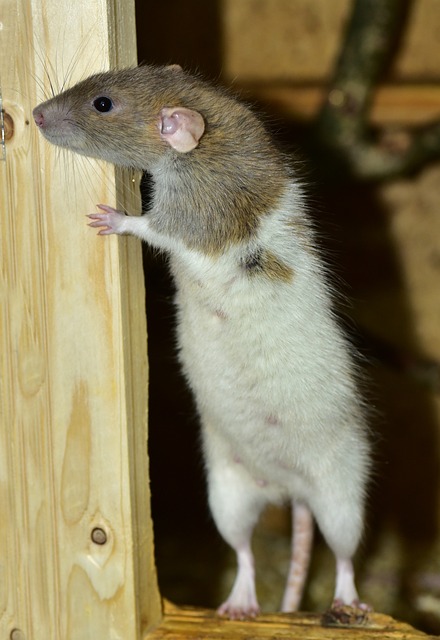
Norway rats, often called brown rats, sewer rats, or street rats, are the heavier, ground-dwelling rats that burrow under slabs, along foundations, and around trash areas. In Virginia and around Richmond, they’re the most common rat species.

You’ll see signs like:

  • Burrow holes along alleys, under sheds, or near foundation vents
  • Greasy rub marks on lower walls and pipes
  • Gnawing on doors, baseboards, or stored items in basements and crawlspaces


Because they burrow and chew, Norway rats often cause structural damage, chewed wiring, and contamination in storage areas. A good rodent exterminator maps their network, addresses food sources, and recommends sealing or repairing vulnerable spots.

Roof Rats

Roof rats are sleek and agile climbers that favor elevated areas like attics, eaves, and upper wall voids. In Virginia, they’re less common than Norway rats but still present in parts of the state, especially in denser urban areas like Richmond.

We most often see roof rat-style behavior when:

  • Activity is concentrated in attics, soffits, or upper floor ceiling voids
  • You hear scratching overhead at night more than at floor level
  • There are easy climbing routes from trees, vines, or utility lines to the roof


These infestations require a different strategy. Here, we focus on upper-level access points, roof and soffit gaps, and attics.

Deer Mice

On the outer edges of Central Virginia and more rural properties, deer mice can show up in sheds, barns, and occasionally homes. They’re small and two-toned with darker tops and lighter bellies and are more often an issue in outbuildings and seasonal structures.

They chew wiring and stored goods, and in our area, deer mice are associated with hantavirus risk via their droppings and urine. 

Not sure which type of rodent you’re dealing with? Give us a call!

Why You Shouldn’t Ignore a Rodent Problem

Left alone, a few rodents can turn into a full infestation in weeks.

From a health standpoint, rodents are recognized public-health pests. Their urine, droppings, and saliva can carry bacteria and other pathogens, and as they move between wall voids, crawlspaces, trash, and food areas, they contaminate surfaces and stored food along the way. 

In kitchens, pantries, and food prep spaces, even a modest amount of rodent activity is enough to create real concerns about what’s getting on dishes, counters, and ingredients.

For small restaurants, cafés, breweries, and other food businesses in the Richmond area, rodents are also a regulatory problem. Health inspectors treat active rodent signs as violations that must be corrected. Too many findings or repeat issues can lead to failed inspections, negative public reports, or even temporary closures. 

If you own or manage a food business, a rodent problem behind the bar or in a dry-storage room can quickly become a front-of-house problem if it shows up on an inspection report.

There’s also a structural and fire-risk. Rodents must keep gnawing to keep their teeth worn down. Inside a home or business, that means chewing on wood framing, insulation, plastic plumbing lines, and electrical wiring. 

Over time, that damage can contribute to water leaks, equipment failure, and increased fire risk if wiring is exposed or compromised inside walls, attics, or above drop ceilings. Unfortunately, you often don’t see that damage until something fails.

Once rodents decide your building is a reliable source of food and shelter, they spread into new rooms and levels. In multi-unit buildings, they can travel between apartments through shared walls and basements. In single-family homes, what started as activity in the kitchen can spread to bedrooms, storage rooms, and the attic. 

If you’re already searching for rodent removal, wondering which rodent control company is best, or looking for a rodent exterminator who won’t just toss bait and leave, now is the time to contact Lewis Pest.

Our Rodent Removal Service Areas in Central Virginia

Searching for rodent removal, rodent control near me, or a rodent exterminator you can trust? Our local team serves homeowners, renters, restaurants, and small businesses across Central Virginia, including:

Don’t see your neighborhood listed? If it’s in Central Virginia, we’re nearby and ready to help with a one-time rodent cleanout or an ongoing plan that fits your property.

FAQs About Rodent Removal

How do I know it’s time to call for professional rodent removal?

If you’re seeing fresh droppings, hearing scratching at night, smelling a musky odor in closets or basements, or finding new gnaw marks on food packaging, wiring, or wood, it’s time to bring in a rodent exterminator. Another red flag is when activity keeps coming back after DIY attempts. That usually means there are hidden entry points, wall void nesting sites, or exterior burrows that aren’t being addressed.

Is hiring a rodent exterminator safe for my kids, pets, and local wildlife?

When rodent control is done correctly, it’s safe. Integrated Pest Management (IPM) is the model recommended by the EPA, and that is the approach we take for rodent removal.
At Lewis Pest Control & Wildlife Removal, that means:

  • Using traps and enclosed stations placed where rodents actually travel and not where kids and pets play
  • Prioritizing exclusion and sanitation so you’re not relying on chemicals
  • Choosing methods and placements that are environmentally responsible and avoid harming non-target wildlife

How does rodent control work in older Richmond homes and row houses?

Richmond’s older neighborhoods and row houses are beautiful, but they’re full of rodent highways. Effective rodent removal in these buildings usually involves:

  • Inspecting basements, crawlspaces, and shared utility chases that connect multiple units
  • Mapping how rodents move along foundations, through older brick and mortar, and around alley trash setups
  • Coordinating with owners or property managers 


The City of Richmond’s code requires that when rodents are found on private premises, extermination measures be initiated promptly, underscoring how seriously the city takes rodent issues.

How long does it take a rodent exterminator to get rid of rodents completely?

It depends on the property and the level of rodent infestation. However, here is some general information:

  • Light mouse issues in a single kitchen or office can often be brought under control in a few weeks with trapping, exclusion, and sanitation.
  • Established mouse infestations in basements, attics, and multiple rooms usually take several weeks and multiple visits to fully knock down and then monitor.
  • Norway rat problems tied to alleys, burrows, or crawlspaces often require a longer program that combines exterior work, structural repairs, and follow-up visits to prevent re-infestation.


The biggest factors are how long rodents have been in the building, the status of the structure, and how quickly food and shelter conditions are improved.

What’s the safest way to clean up mouse droppings before or after rodent removal?

Whether you’re already scheduled for rodent removal or dealing with the aftermath, the CDC makes it clear that you should never dry sweep or vacuum rodent droppings. That can send contaminated dust into the air. Instead, you should: 

  • Air out the area briefly, then put on disposable gloves.
  • Spray droppings, urine, and nesting material with a disinfectant or a bleach solution until thoroughly wet and let it sit for several minutes.
  • Wipe up with paper towels, place everything in a sealed trash bag, and put it in a covered trash can that’s emptied regularly.
  • Wash your hands well with soap and water after you’re done.


We actually suggest that you skip the DIY cleanup and call a rodent exterminator instead. We can help with the control piece, walk you through safe cleanup, and point you to the situations where bringing in professional remediation makes sense.

Call for Local Rodent Removal You Can Trust

One-Time Service Call

Essentially, an "as needed" call to handle pests, infestations, or concerns in and around your home.

Quarterly Services

Regularly-scheduled and planned visits to your home to maintain consistent results over time.

Lewis Pest Control & Wildlife Removal combines photo-verified inspections, exclusion-focused repairs, and an environmentally responsible approach for rodent removal.

Whether you need a one-time rodent removal service with no contract or ongoing support for a home, rental, or small business, we’ll walk you through exactly what you need and what you don’t.

Contact us today to schedule your visit with a local rodent exterminator and end your search for “rodent control near me.”

Prices are determined by the size of the house, infestation, and area of service.

Service areas include Richmond, Midlothian, Chesterfield, Glen Allen, Mechanicsville, Tri-Cities and surrounding areas. 

Call us today at 804-735-0100 for the solution to your pest problems!